Search for a brief template and you will find twenty of them. They agree on the fields: product, audience, tone, deliverables, deadline. None of them says where the content of those fields comes from, and that is the part that decides whether the creator sends back something you can publish.
On 2 September 2026 we built one end to end on production and timed it. From an empty project to a link a creator opens on their phone: 15 minutes 30 seconds, twenty-one screenshots, no hand-written prose. What made it usable was not the layout. It was that every line resolved from something already written down about the product — and that eight lines could not, and said so.
Build the brief from the product, not from a blank template. Describe the product once and the brief assembles itself from it — including the parts nobody can answer. Start free, or see what a run costs first.
The four places a line can come from
A brief that works has exactly four sources, and a fifth state for everything else.
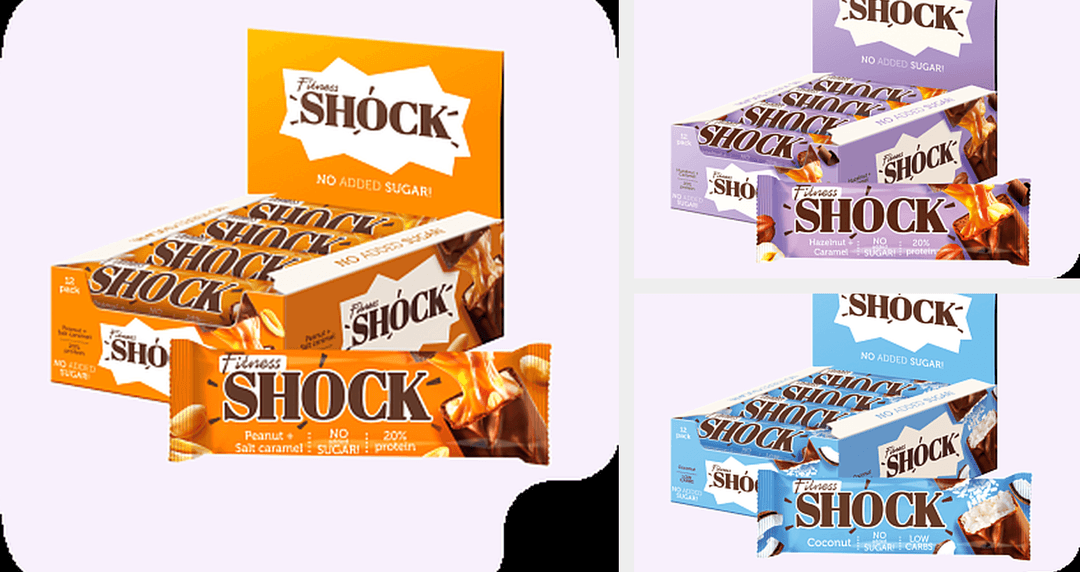
The product card. Packaging photographs, the ingredient list as printed, the words physically on the pack, the words that may never be used about it, the claims that may never be made. This is the only source that describes the object. In the brief we built, it supplied twenty-one of the compliance lines, copied word for word rather than paraphrased — a paraphrased legal line is a new legal line.
The brand kit. How the brand talks: the ban list, the logo rules, the way a number has to be read out. Three lines in our run.
The project rules. The standing constraints that outlive any one shoot — no disease claims, no before-and-after weight framing, say "supports" and never "guarantees".
The market segment. Who this is for and where they buy.
The limit: none of these four knows the tone you want, the age band you are targeting, or which of three packaging shots is the current one. That is the fifth state.
The fifth state is the useful one
Anything a brief needs and no source holds gets marked as an assumption and counted. Our live brief ended with a line at the top of section fourteen: eight assumptions to confirm with the brand — approving confirms them on the brand's behalf.
That sentence is the whole difference between a brief and a nicely formatted guess. Eight things were not known. They were listed, attributed, and put in front of the person with authority to confirm them, rather than filled in with something plausible.
The limit: it only works if you read section fourteen. If an assumption is wrong, the fix is to correct the product card and rebuild — not to edit the text, which leaves the next brief making the same mistake.
What the creator is actually handed
Not a PDF. A link that opens on a phone with no account and no app, 390 pixels wide, and holds one card per scene: the timing, what is in frame, the line spoken to camera, the green must be in shot, and the red never.
Each green and red item carries the number of the brief item it came from. The creator can trace any instruction back to the clause that produced it, which is the only way a red line survives contact with a shoot — "do not name a competitor" is followable; "stay on brand" is not.
The limit: the link is public by construction. It is throttled per address and carries no account data, but anyone holding it can read the brief.
What it costs to go further
The brief itself costs nothing to write. Two steps after it are paid, and both show their price before they run. Prices are what a customer pays, at 1 credit = $0.01 as of 3 September 2026.
| Step | What it produces | Price | Time |
|---|---|---|---|
| Brief | 14 sections, Manager View + creator link | free | 15 min 30 s |
| Storyboard stills | one still per scene, drawn from your packaging photos | 2.5 credits each — 12.5 credits ($0.125) for five | ~7 min |
| Reel from the brief | the approved scenes rendered as a 5-beat vertical video | 179 credits ($1.79) | ~9 min |
The last row is the interesting one. Before the stills existed, the same brief estimated at 210 credits. After they existed it estimated at 179 — the 31-credit difference is exactly the frame-generation line, already paid for in the row above. The storyboard is not decoration; it is an input the renderer stops having to invent.
What we got wrong
We named the product after the wrong word. The phrase this whole feature is built around — "creator brief" — measures zero searches a month, as do "creator brief generator" and "how to brief a UGC creator". The demand sits in the older marketing vocabulary. Cost: one directory rename, and this paragraph.
We let the agent paraphrase a kit rule. A usage rule containing six commas was split on the commas into six rules, one of which read like a fragment. A compliance line has to survive as one line: it was written by someone who chose those commas. Cost: one release.
We drew the storyboard from a description instead of from the packaging. Twice, on two different products, the model invented the label — a nutrition panel with the wrong calorie count, an ingredient list containing a sweetener the product does not contain. The creator shoots what the card shows, so an invented label is a different product being filmed. Cost: $0.25 and a fix. The full case is in the model has never seen your product.
An influencer brief for a TikTok Shop seller
If you sell on TikTok Shop, three of the fourteen sections do more work than the rest, and they are the three most templates skip.
The red lines matter more than they do for a brand film, because the affiliate saying it is not you and the claim still lands on your listing. The acceptance criteria matter because you are paying per deliverable, not per day, and "delivered" has to mean something checkable — the label legible in at least one shot, the product handled on camera, no competitor in frame. And the assumption list matters because you will be briefing people you have never met, at volume, and the thing that scales badly is a brand fact that lived only in your head.
The shot list is where those three land in practice.